Creative Direction
Brand identity
DK
Rebranding
What it was (and why I did it)
This was a self-initiated rebrand. I wasn’t responding to a brief—I created one. My goal was to elevate JLOUNGE’s perception and make their communication feel as curated as their restored pieces.
The direction: Scandinavian ’70s, but usable today
The workshop’s soul felt very Scandinavian and very mid-century. I leaned into that with a ’70s-inspired direction: warm tones, clean shapes, a confident logo presence, and a layout system that feels timeless, not trendy.
Building a full identity system
I designed a complete brand toolkit that could live across touchpoints without breaking:
brand identity foundations (logo usage, typography feeling, color palette)
a structured layout language for communication
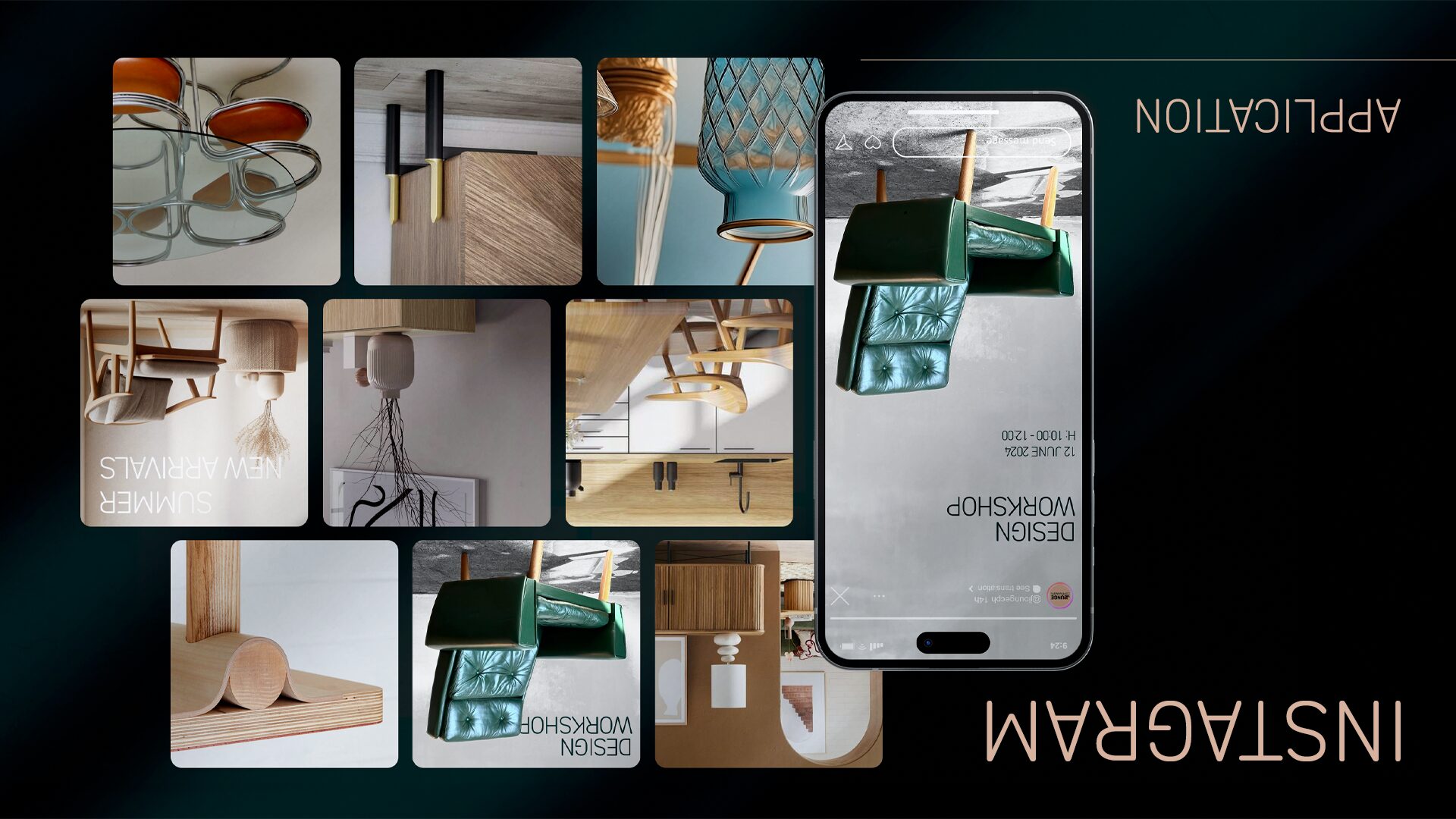
templates for social posts (so the brand can stay consistent over time)
a website direction and mobile-first presentation that lets the furniture breathe
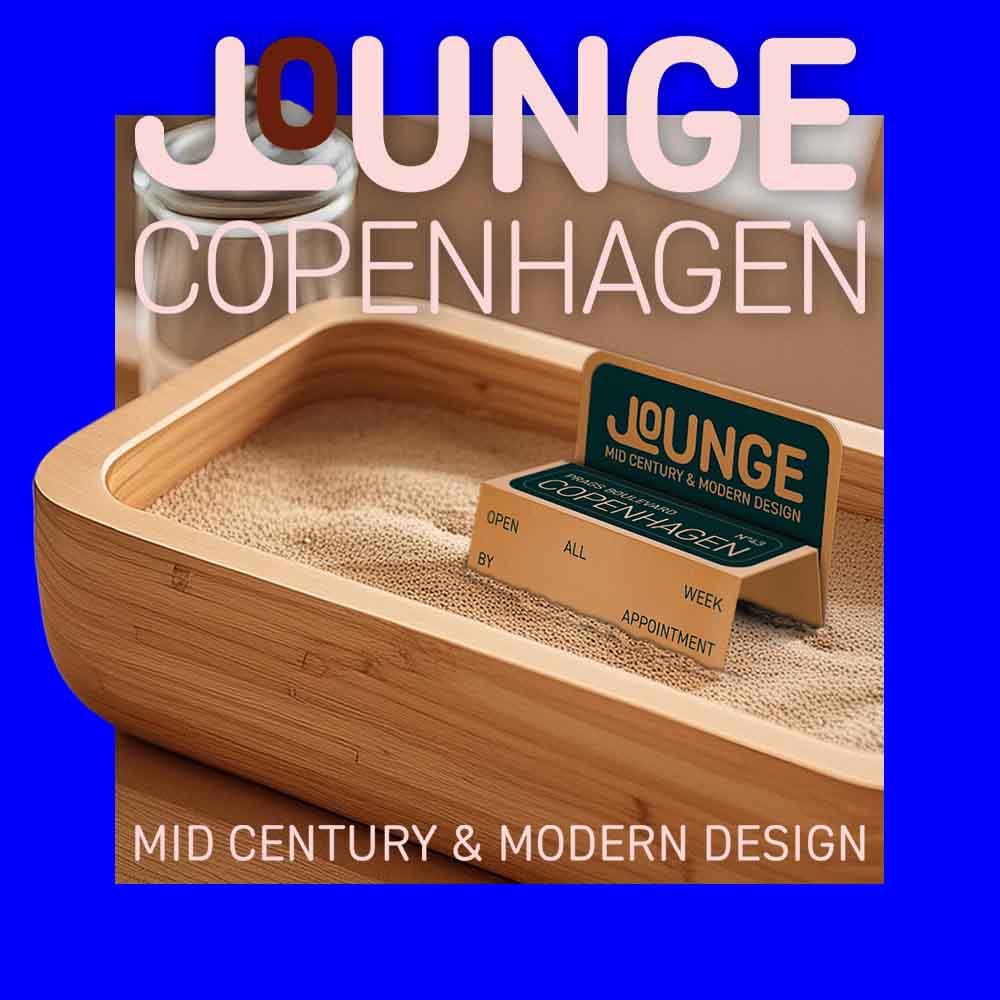
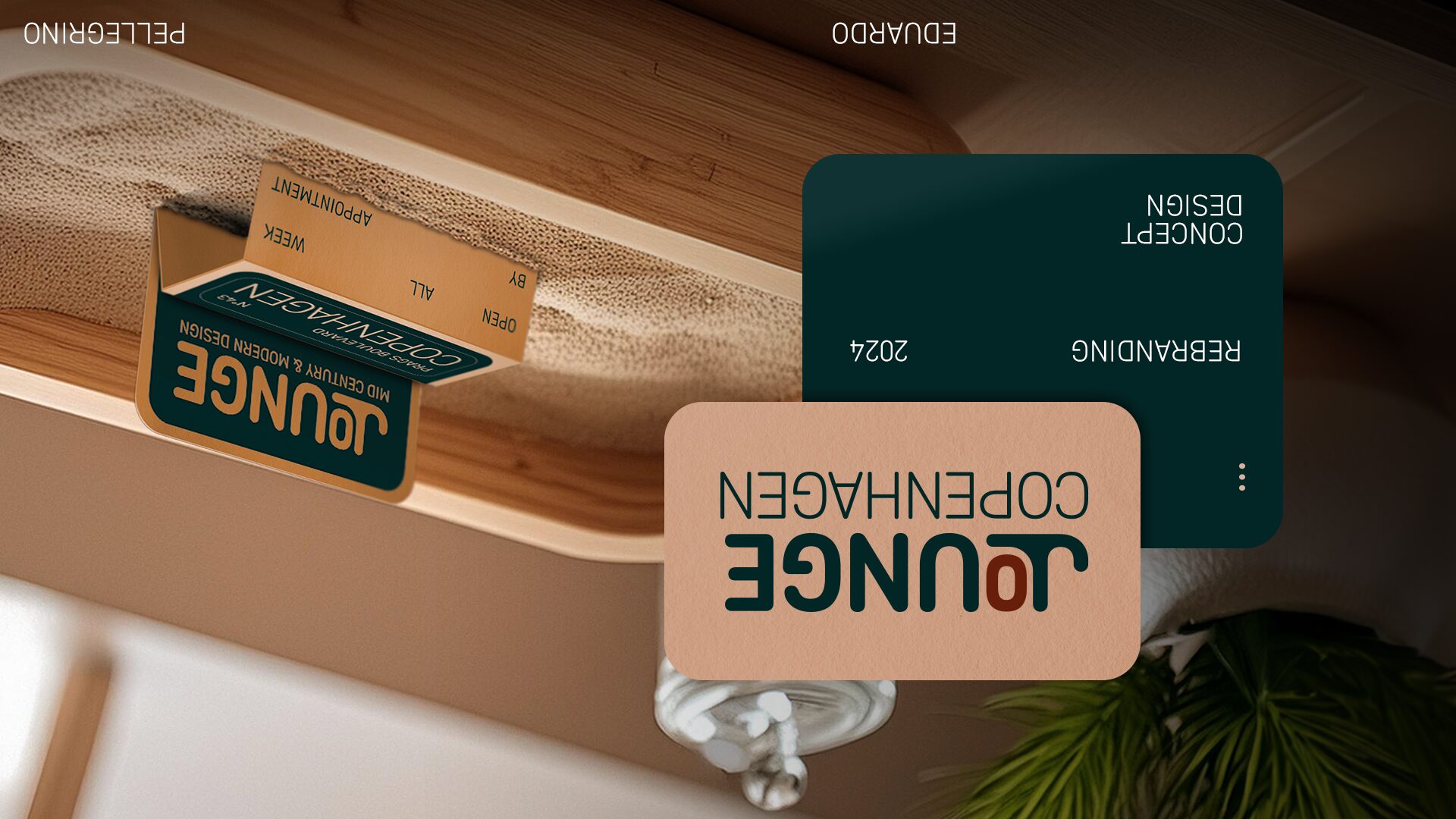
The signature piece: the Bench Business Card
My favorite output is the foldable business card that takes the shape of a bench. I called it the Bench Business Card because it behaves like the brand: functional, designed, and slightly playful.
It also solves a real problem—organizing information clearly—by turning the card into a small object with “parts” (like a bench): logo/payoff, contact, address, opening hours. It is branding you can literally hold and understand.
Why it works
This identity doesn’t try to be loud. It tries to be precise. It makes the workshop feel credible, curated, and recognizable—while staying flexible enough for daily use.
This project is a reminder that strong branding often starts from a simple observation: something is good, but it is not being communicated well. With JLOUNGE, I tried to respect the existing soul and give it a clearer voice—one that feels Scandinavian, crafted, and consistent. And yes, I am still proud of that bench business card.