Motion / Video
US
Motion campaign system
Fan Outfitters needed a motion-first campaign for the U.S. market: energetic, direct, and built around a “stadium voice” attitude—like something you would hear in an arena—paired with a punchy, straightforward song. The challenge wasn’t only creative. It was operational: the campaign had to live across many store locations and many formats, and it had to be easy to update without rebuilding everything from scratch. That’s where I stepped in.
5) Description – Explaining (first person)
The real brief: scale without chaos
This project was essentially versioning at scale. The campaign needed:
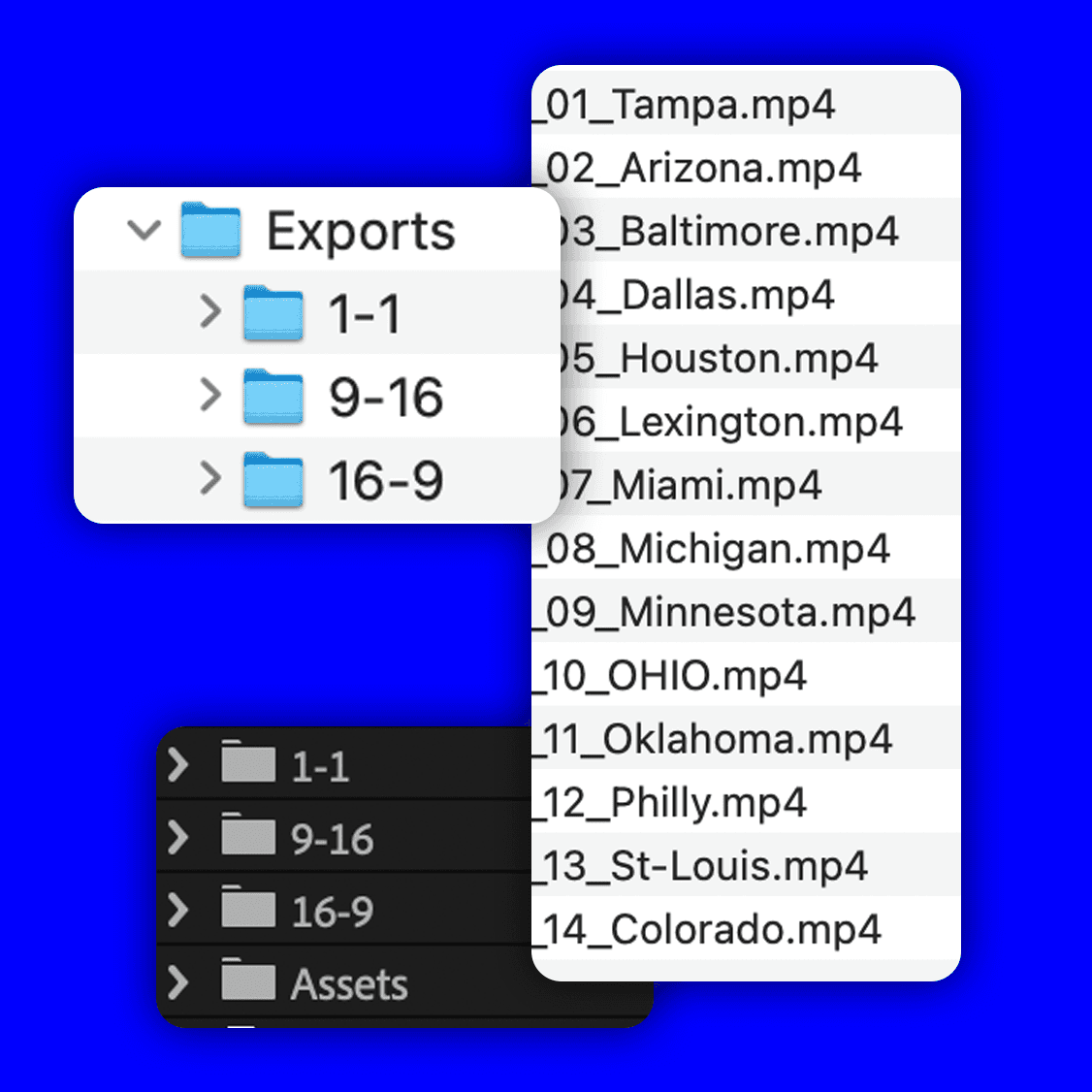
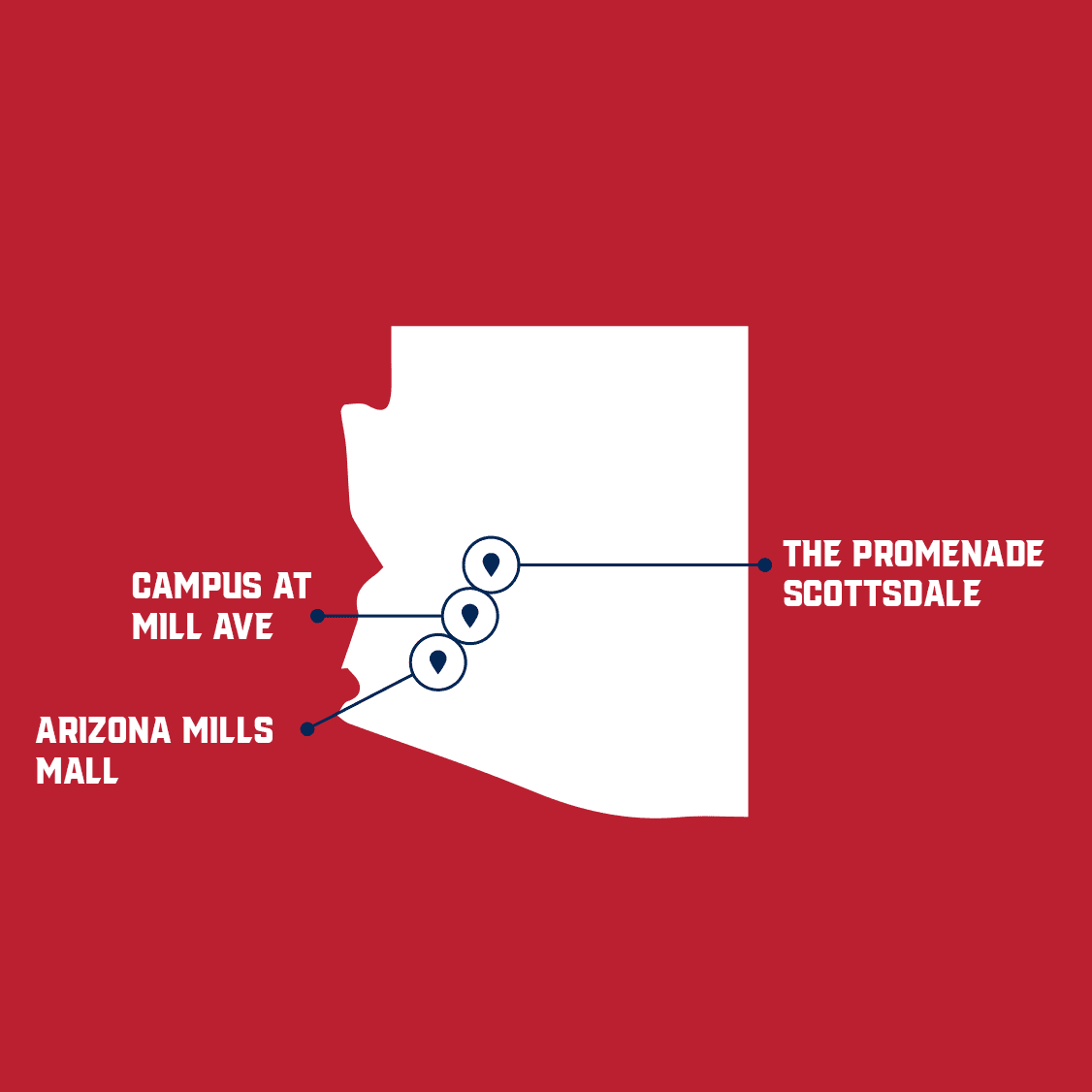
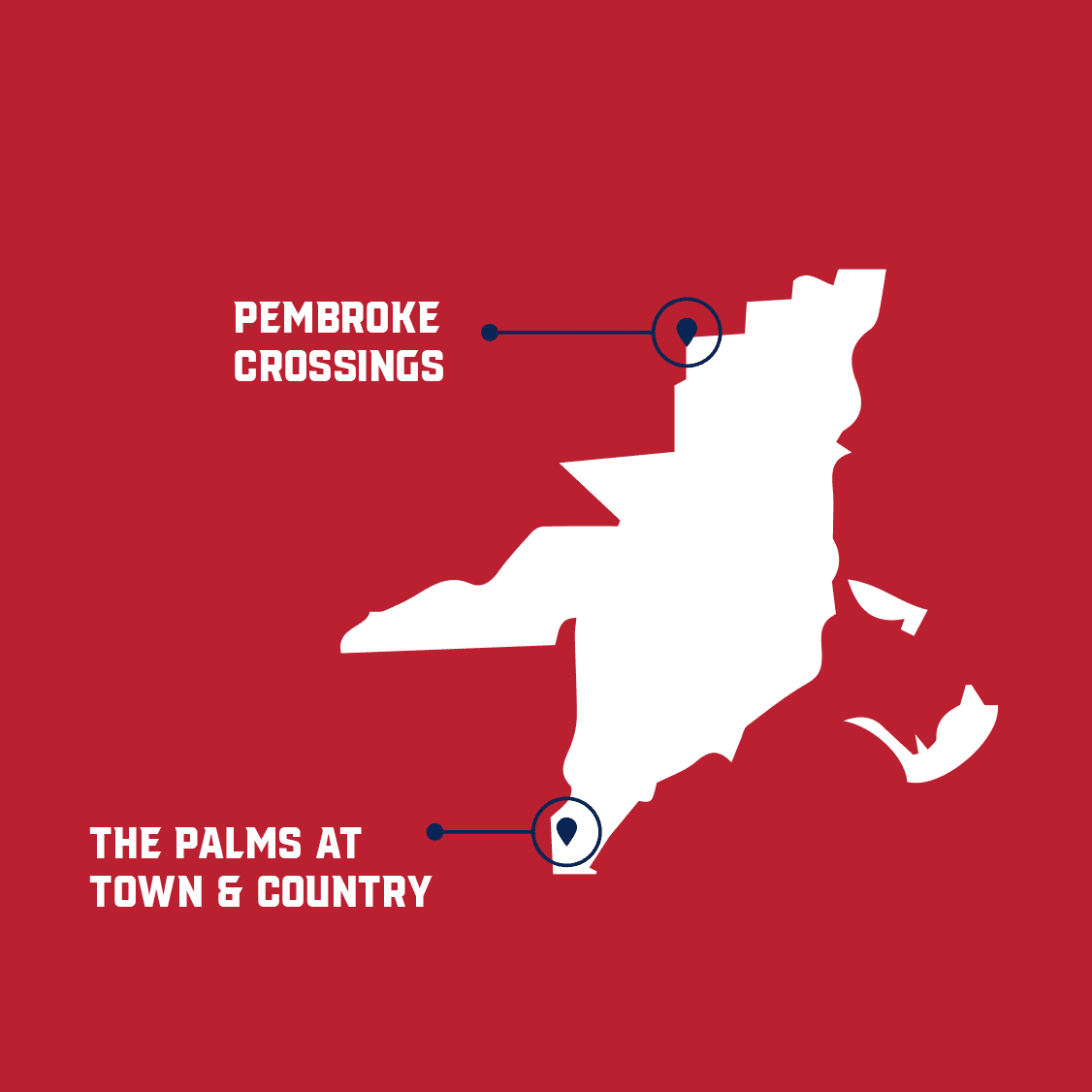
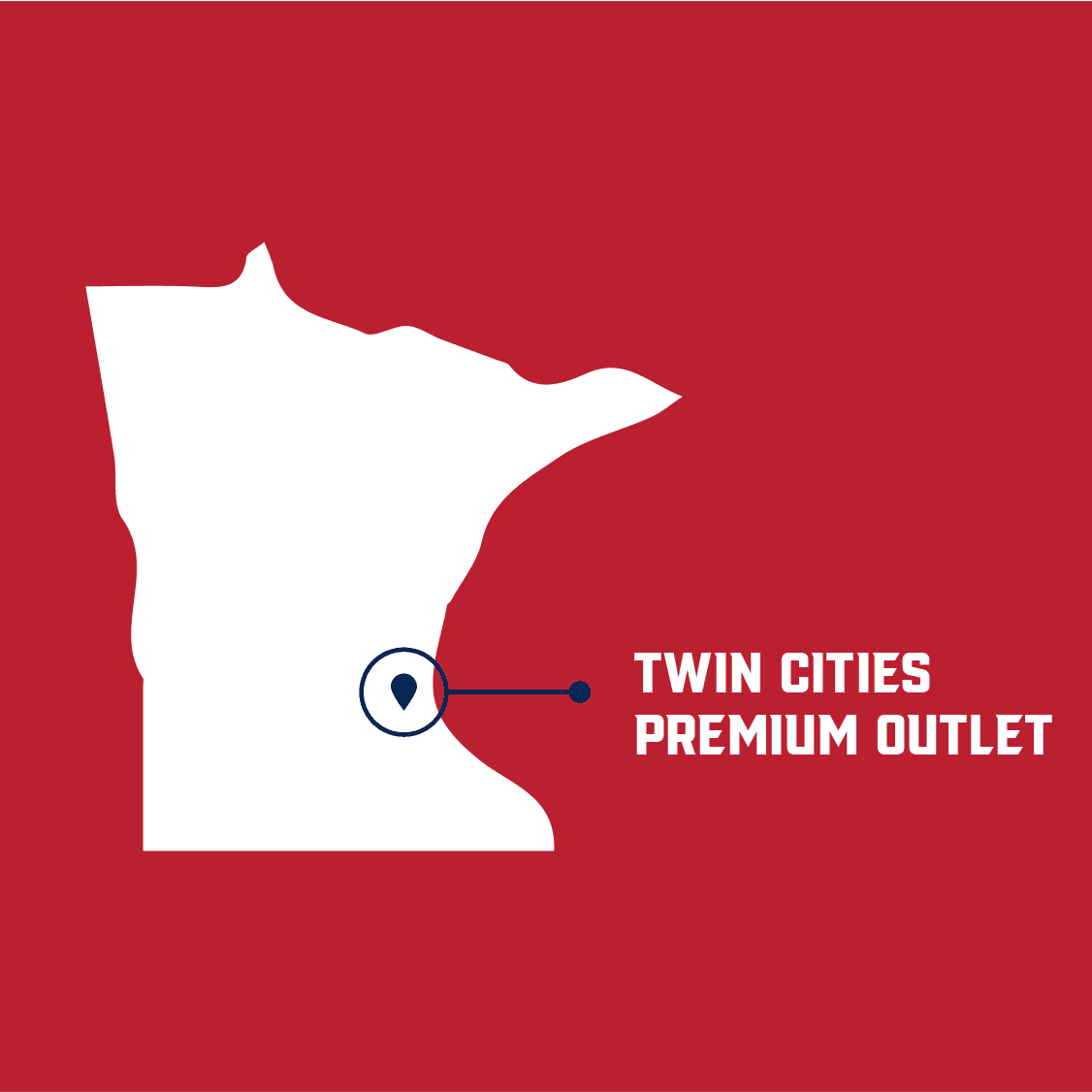
localized outputs for multiple U.S. locations (one version per state where stores are present),
multiple deliverable formats for distribution (vertical, horizontal, 1:1),
a workflow that lets the team swap assets quickly while keeping the motion consistent.
My role: the technical motion setup
I was brought in mainly for the technical side. I rigged and structured the master motion file so updates were simple and controlled:
clean asset organization and replacement logic,
consistent timing and spacing across versions,
protection against “one change breaks everything” situations,
a setup that supports fast iteration when deadlines are tight.
In other words: one master project that behaves like a template, while still looking like a crafted piece of motion.
Collaboration and production flow
I worked alongside a teammate from Agio. While others focused on illustration and animation details, I made sure the file could actually scale—so the creative work could be multiplied across states and formats without adding production pain.
Why I like this kind of work
It’s the kind of motion craft that viewers don’t notice directly—but teams feel immediately. When a campaign needs dozens of outputs, the quality is not only in the animation; it’s in the system that makes everything consistent and repeatable.
This project is a good example of how I approach motion at scale: build a solid structure first, then let creativity travel safely across versions. I’m proud of the technical rig and file logic, because it turned a complex U.S.-wide rollout into a workflow the team could manage quickly—without sacrificing consistency.