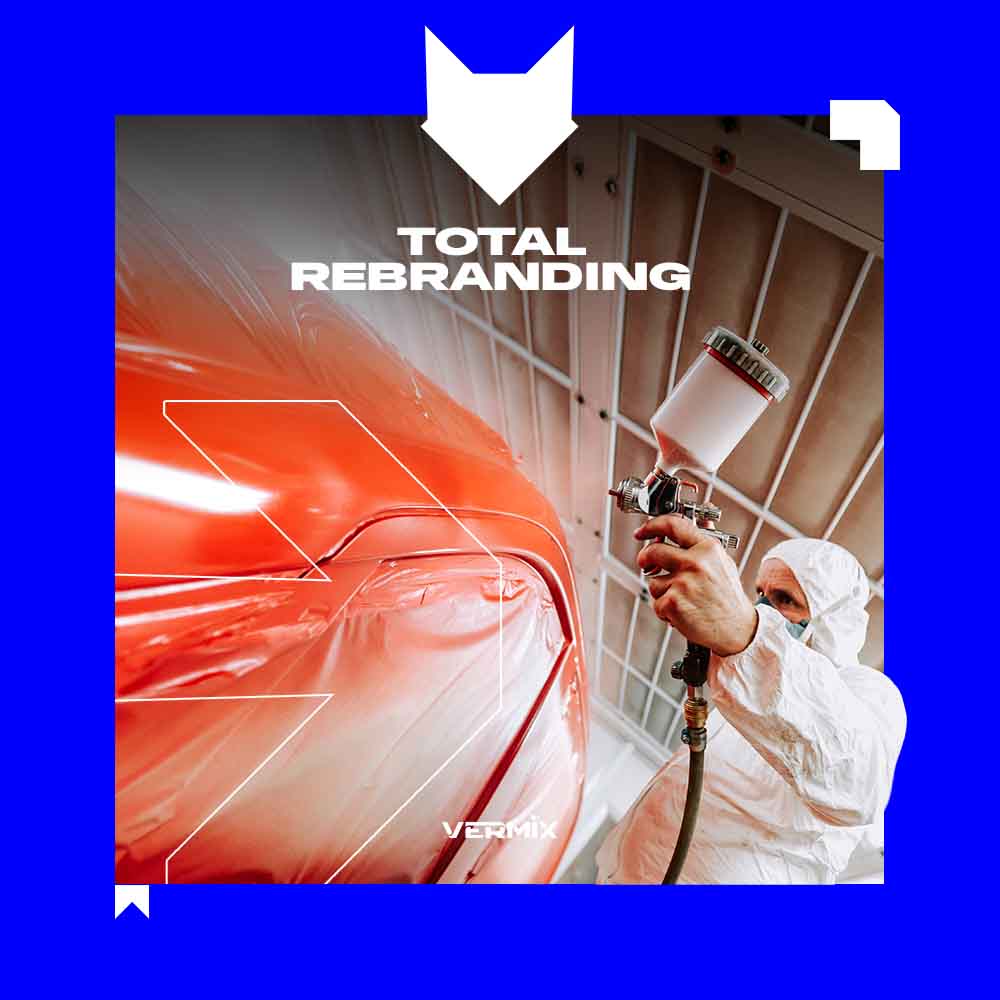
Creative Direction
Brand identity
SoMe
IT
Rebranding
Check on Instagram!
Starting point: a real rebrand, not a redesign
I approached Vermix as a system. Before touching visuals, I aligned the foundations: values, positioning, mission, and tone of voice. The goal was clarity—technical and reliable, but not cold. Close to the customer, without losing authority.
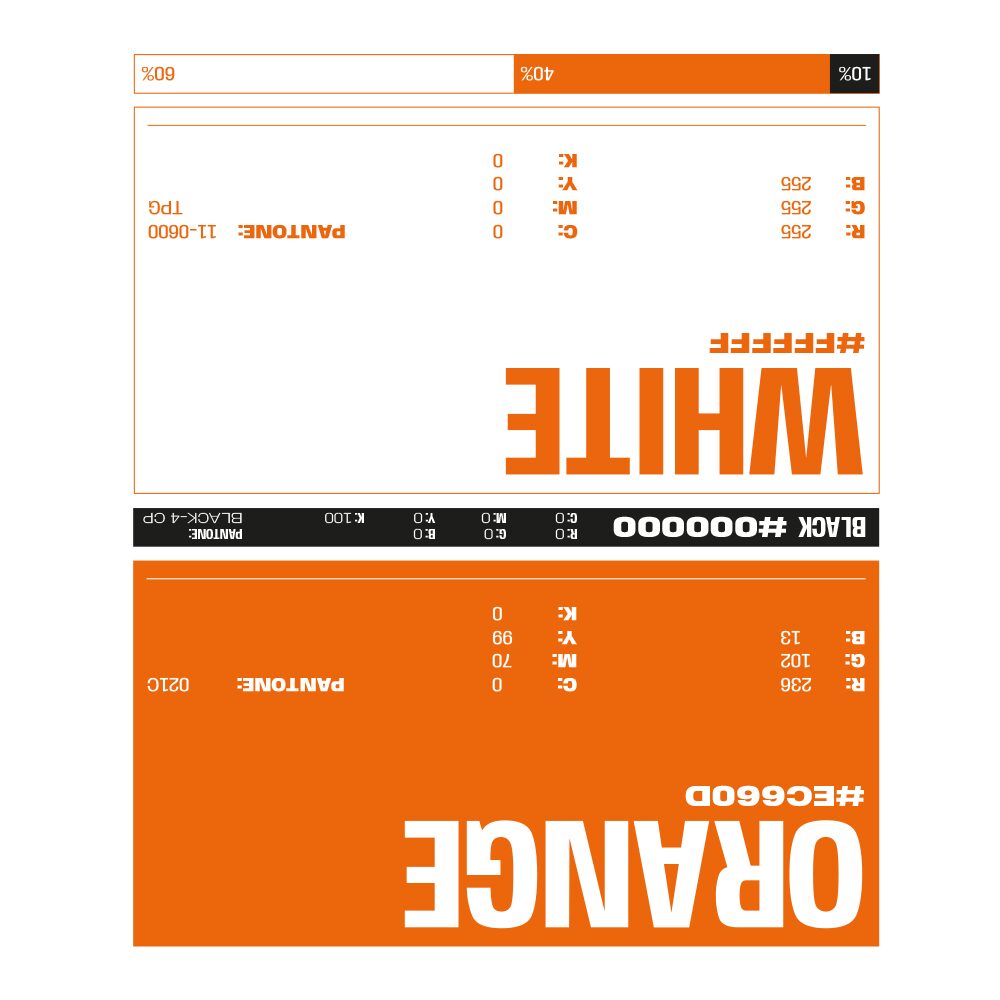
Building the visual identity (a solid, flexible system)
The identity was redesigned as a toolkit that can scale. I created a graphic system based on recognizable shapes, proprietary iconography, and a strong central role for the fox logo—used not only as a mark, but as a generative element that helps build layouts and visual rhythm.
The icon system is functional, not decorative: it guides, organizes information, and becomes part of day-to-day communication.











Stationery as “proof of brand”
A big part of the work was physical. I wanted every printed item to feel like the same brand—built for real use in workshops and body shops, not for a glossy presentation.
The stationery ecosystem includes (among others): A5 and A6 notepads, envelopes, letterhead and invoice layouts, business cards (including QR-based contact sharing), folders, custom pens and pencils, shoppers, multiple sticker formats (personal, customizable, die-cut, roll), adhesive tape, and a custom stamp.
VERMIX_stationery_MOCKUP_compre…
What matters to me is that each piece is coherent in hierarchy, typography, and tone—so even a “simple” object reinforces the brand.
Extending the identity into social
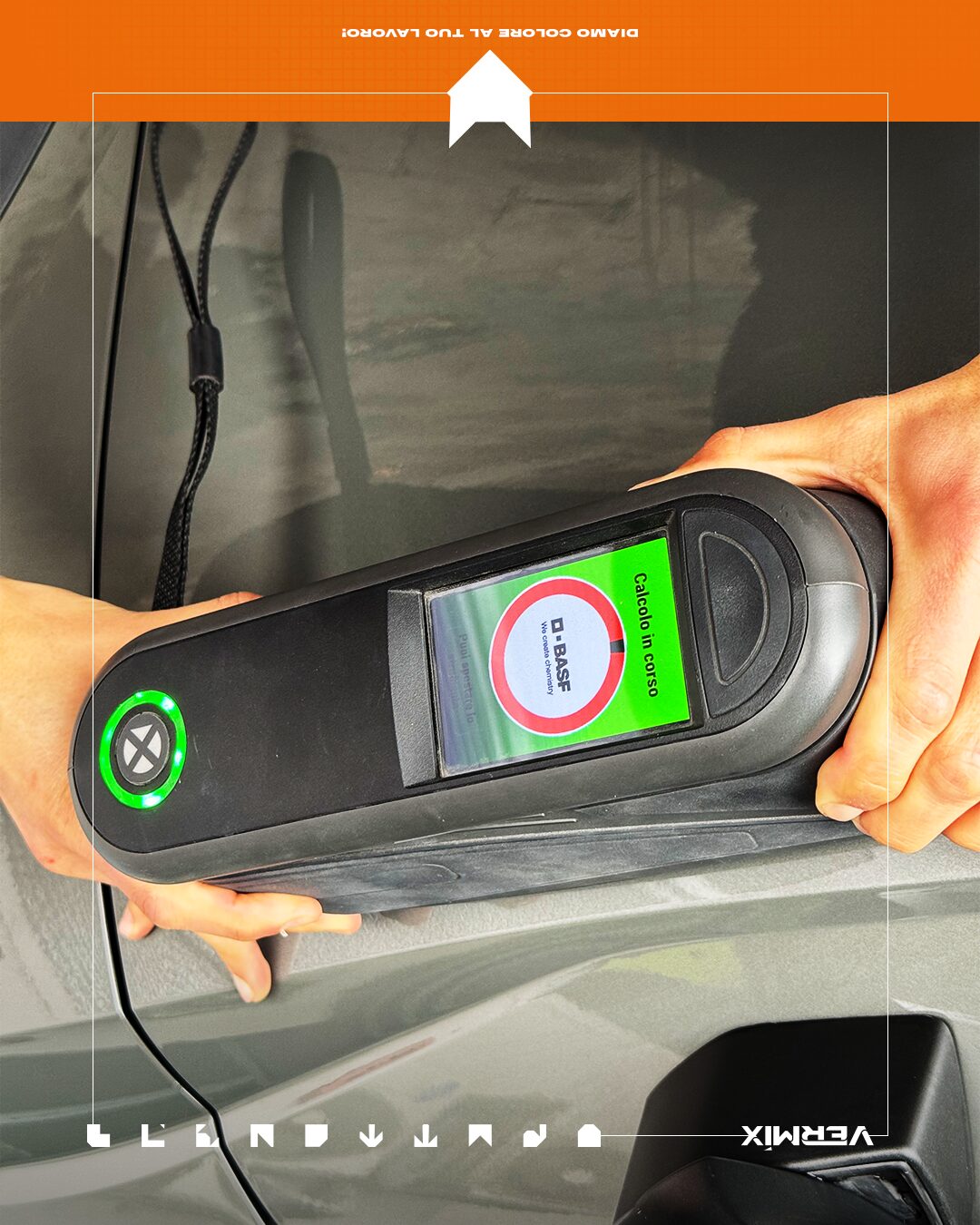
After the rebrand foundation was stable, I took over the social direction and rebuilt the visual language: cleaner structure, clearer formats, and a more consistent style that feels like a fresh breath while staying aligned with the brand’s technical credibility.
The goal was simple: make Vermix instantly recognizable, and make the communication easier to maintain over time.
My role
I worked as creative director across the entire process: strategic alignment, identity design, executive branding, and quality control of outputs—making sure every touchpoint spoke the same language, from paper to digital.

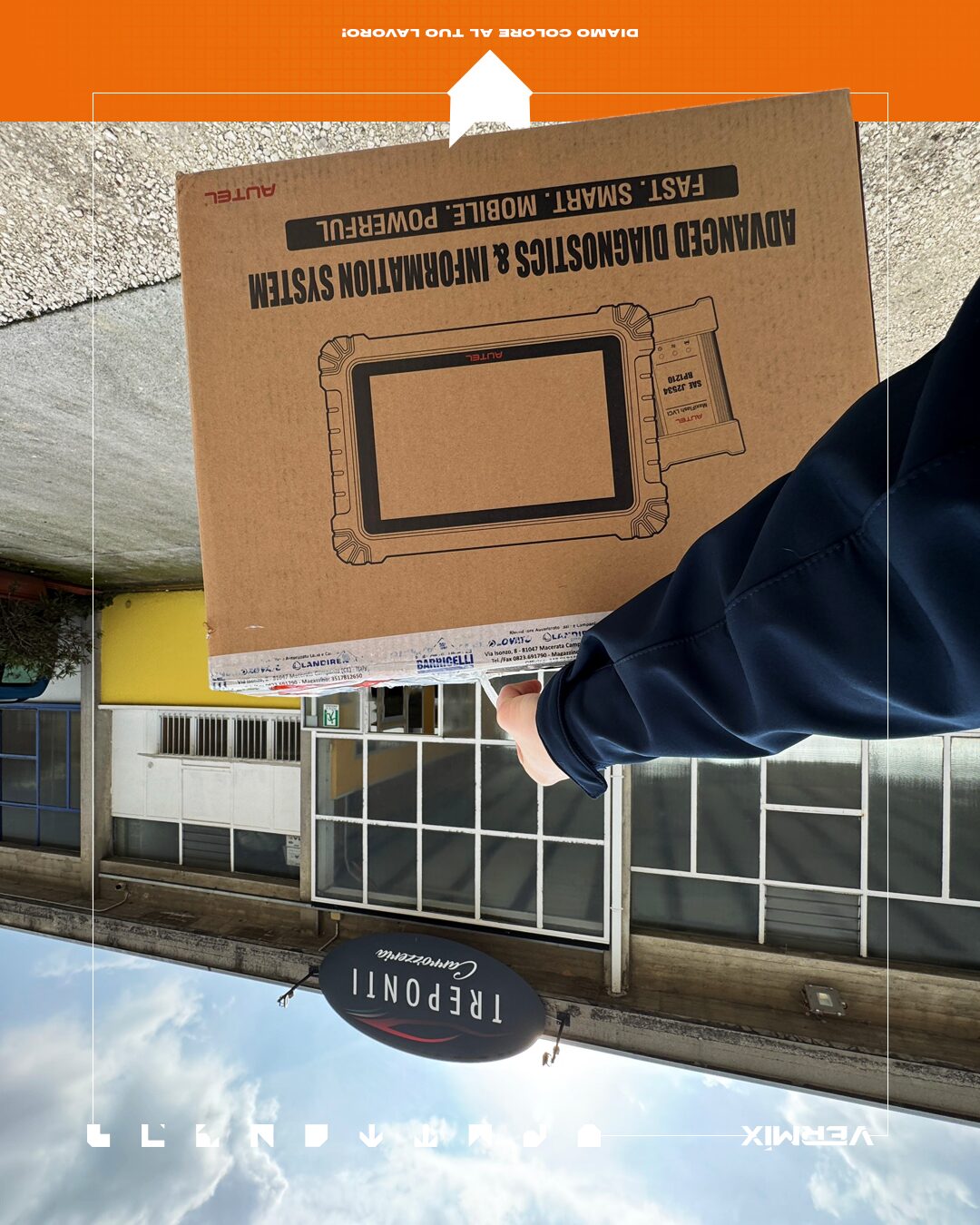
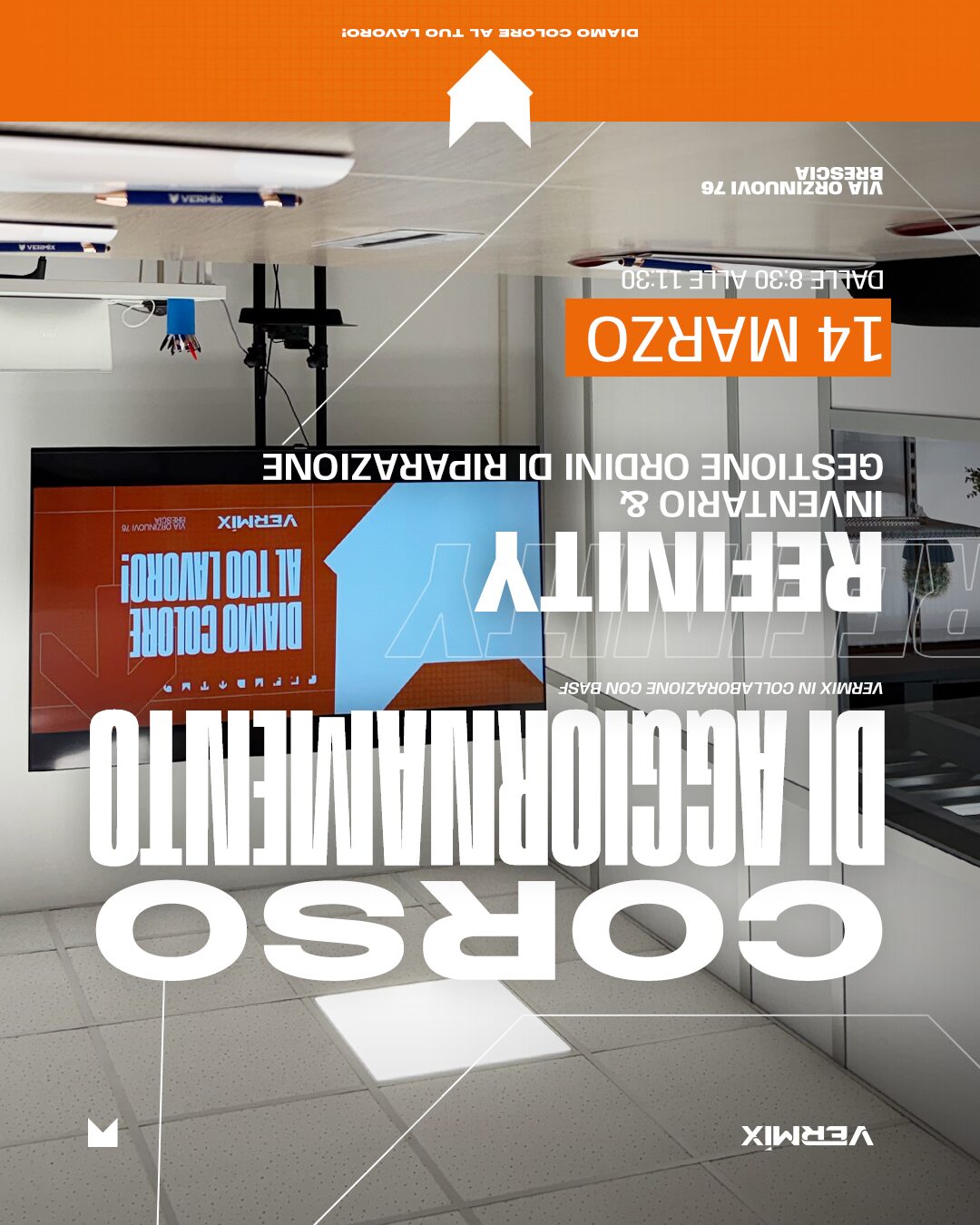
This project is a good example of what I consider “real branding”: not just a new look, but a coherent identity that supports daily work. I am proud of the depth of the rebrand—strategy, tone of voice, visual system—and of the fact that it was applied consistently across materials people actually use, and across social communication that now feels clearer, more modern, and more alive.